
By Kevin Zimmerman, Video Game Writer and Narrative Designer
In the ever-evolving landscape of indie and mid-tier video games, the game’s narrative forms the backbone of an unforgettable player experience. Having contributed to over 20 indie and AA titles, my journey has equipped me with insights into the intricacies of narrative design and its pivotal role in game development. Unlike traditional media, games demand that story and gameplay not just coexist but complement and enhance each other. But how do we do that? Well, this article marks the beginning of a series aimed at developers, especially indie, AA, or those just venturing into the realm of game creation, on how to effectively collaborate with a narrative designer to elevate your game’s story. And to begin, let’s look at Japanese Role-Playing Games—JRPGs—a genre renowned for its deep, immersive storytelling, and one that I see many new developers wanting to take a stab at.
JRPGs: A Case Study in Narrative Complexity
It’s not surprising that many developers want to make their own JRPG titles. JRPGs stand out among the video game genres with their rich stories, second, I’d say, only to visual novels in terms of storytelling depth (a genre I’ll be covering later in this series). Games like Final Fantasy VI and Chrono Trigger left indelible marks on many developers born in the 80s and 90s, and recently Toby Fox’s Undertale or Ken Gao’s To the Moon show how innovative narrative design can still captivate audiences. So, it’s easy to see how these kinds of games keep inspiring developers to capture a similar kind of magic with their own titles.
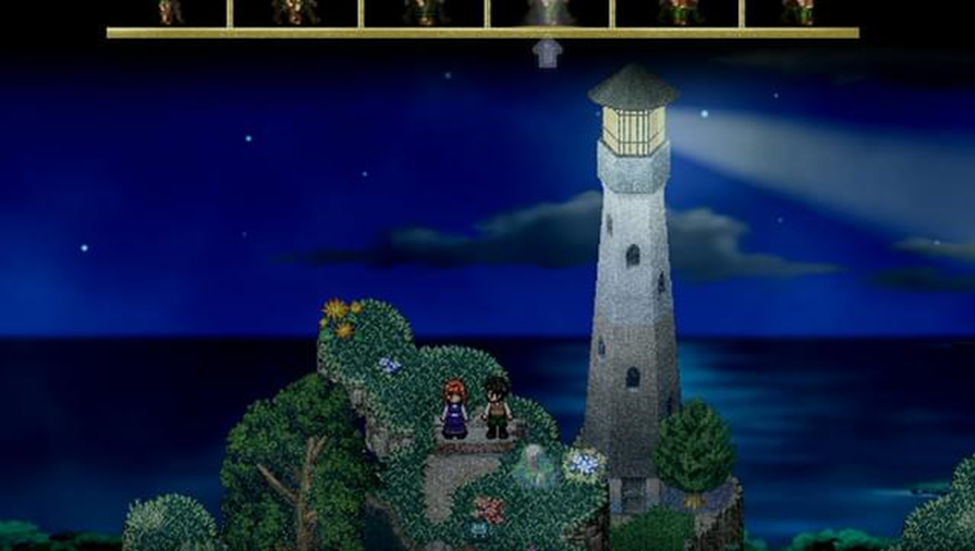
Ken Gao’s unique, story-driven success, To the Moon
But creating a successful JRPG requires more than just passion or nostalgia. For indie developers drawn to the JRPG genre, understanding the interplay of story and gameplay is critical to making a game that sticks with the player for years to come—and one that might even start a whole new franchise. But where do you begin this process? And how can you employ the expertise of a narrative designer to best execute your vision?
Developer Archetypes: Navigating the Narrative Landscape
In my journey through the JRPG space, I’ve encountered two distinct types of developers: those with a penchant for technology and those driven by storytelling. On the technology side, developers often bring a deep understanding of systems and mechanics to the table. Their background may be rooted in coding or scientific disciplines, approaching game development with a focus on the technical aspects. This analytical skill set is invaluable, though integrating narrative elements might present a new challenge for them.
Conversely, developers with a storytelling inclination might already have a detailed narrative prepared, possibly extending to a full-length novel, rich in backstory and lore. The challenge for these creators lies in seamlessly blending their narratives into interactive and engaging gameplay experiences that transcend traditional storytelling.
Tech-Forward Developers
For those with a technological orientation, partnering with a narrative designer from the start can be transformative. In JRPG development, the narrative should ideally be the initial spark, guiding all subsequent elements like setting, mood, art, music, and gameplay mechanics. For example, in Matthias Linda’s Chained Echoes, a complex tale of war and peace across kingdoms incorporates a unique Overdrive battle mechanic, which not only enhances combat but also ties directly into the characters’ personal stories and motivations. Positioning the story as the cornerstone ensures that the game’s design amplifies the narrative, creating a cohesive and immersive experience.
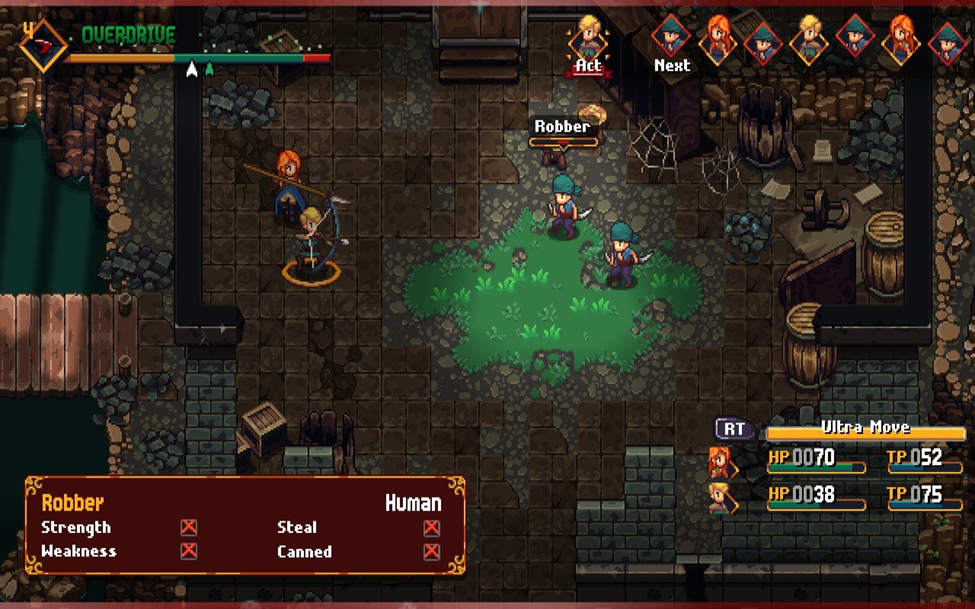
Matthias Linda’s Chained Echoes, featuring its Overdrive combat mechanic
Navigating the balance between story and gameplay can be akin to searching for keys in the dark, though; it’s tempting to operate within our comfort zones, focusing only where we find a light source, i.e., what we know. However, embracing a broader perspective allows for a more holistic approach to game development. I’ve observed that technology-focused developers might initially prioritize coding or implement gameplay systems without considering their narrative impact. Yet, the hallmark of a compelling JRPG, or any game really, is gameplay that not only entertains but also enriches the story being told to the player. So, it’s imperative that these individuals partner with individuals who have been trained in the art of storytelling to make sure that things come together as they should.
Story-Forward Developers
In contrast, if your entry point into JRPG development is a rich, pre-existing story, perhaps inspired by classic literature, Dungeons and Dragons, or epic narratives like Lord of the Rings, the collaboration with a narrative designer takes on a unique and equally vital role. Here, the expertise of a narrative designer becomes crucial in seamlessly integrating your detailed story into the interactive world of video games, striking the perfect balance between narrative depth and gameplay dynamics.
This partnership focuses on identifying the essence of your story—determining which elements are crucial for the narrative and which may be adapted or streamlined for gameplay. Together, you might explore opportunities to introduce immersive “wow” moments that captivate players from the outset, ensuring your game is not just read, but experienced. Think of how Sabotage’s Sea of Stars showcases the power of harmonizing narrative with visual storytelling, where day-night cycles and lunar phases not only serve aesthetic purposes but are also intricately tied to the game’s magic system. Drawing on lessons like these from successful games, the narrative designer can help to apply proven storytelling techniques and gameplay mechanics to your JRPG, enhancing its appeal without compromising the integrity of your original vision.

Sabotage Studio’s Sea of Stars, with its multipurpose Day-Night Cycle
The process is one of creative transformation, where the goal is to maintain the heart of your story while adapting it into an engaging, interactive format that resonates with real video-game players, not just readers. A successful adaptation ensures that your narrative’s core themes and characters come to life in the gaming medium, offering players a deeply engaging narrative experience.
The Narrative Designer’s Toolkit
Always remember that a narrative designer brings more to the table than just storytelling. We serve as translators between the narrative and gameplay, ensuring that each element of the story is thoughtfully integrated into the game. For example, during a war in your game, I might suggest playing with cinematic tools and incorporating storytelling techniques from film, like the seamless transitions found in 1917 to enhance the game’s narrative flow without breaking immersion. Where might this idea come from? Well, narrative designers typically are well versed in narrative trends across many kinds of media. For character development, maybe I’ll find that the complex character arcs seen in Stranger Things would be perfect to bring home a climax in one of your characters, giving players more of something they already know and love. Even more than that, narrative designers can also work with your game’s artists and music composers to make sure that the execution of the game coheres to the game’s story—maybe it’s crucial that your protagonist’s scar always be visible on their arm, or that your antihero’s theme reference Debussy’s Clair de Lune—making a deep, immersive experience that feels larger than life for the player.
As you can see, a narrative designer’s role is multifaceted, from structuring the narrative to fit game mechanics to editing and adapting the story to meet the medium’s demands. We stay abreast of market trends and audience expectations, tailoring the game’s narrative style to fit the desired genre and demographic. By drawing off literary, video game, and other media references, narrative designers play a crucial role in bridging the gap between story and gameplay, creating an immersive and engaging experience for players.
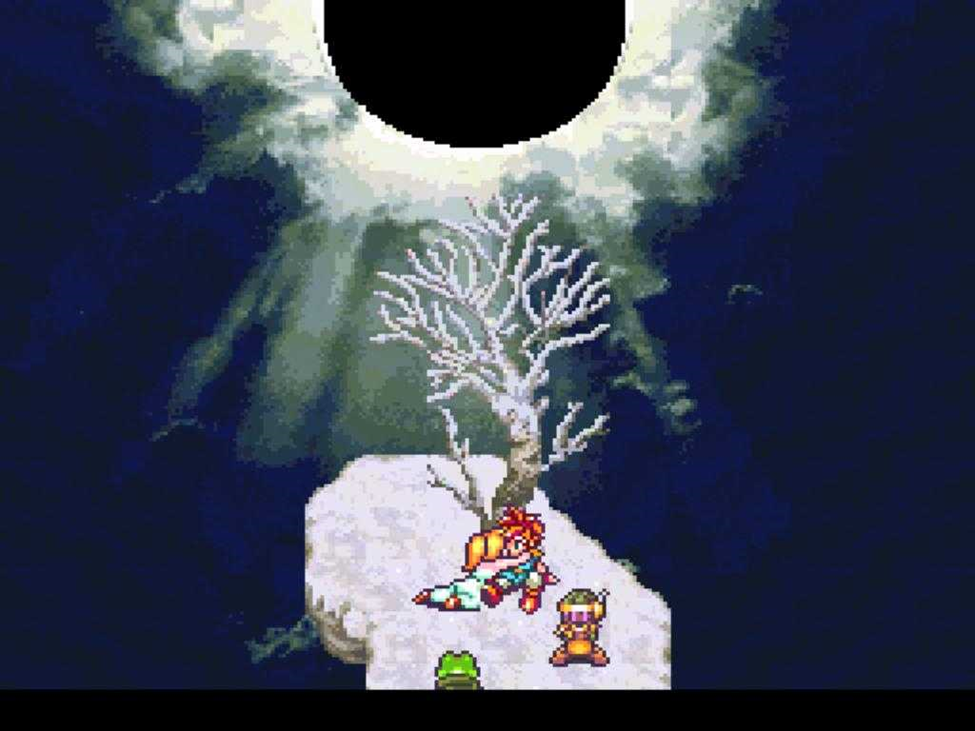
The O.G. of JRPGs: Chrono Trigger
Looking Forward
By weaving together compelling storytelling with dynamic gameplay, narrative designers elevate the gaming experience, and can make your JRPG title not only playable but meaningful to your players. Whether you’re embarking on your first project or seeking to enhance your studio’s current offerings, considering a narrative designer as part of your team can be a game-changer, ensuring that every aspect of your game’s world is coherent, captivating, and resonant with players.
If you’re currently seeking a narrative designer or game writer who can bring your vision to life, let’s connect! Reach out to me here or on LinkedIn—I’m eager to dive into your project and explore how we can collaborate to create a game that not only captivates but also leaves a lasting impact on your players. Also, share your thoughts and questions in the comments below. Are there specific challenges you’ve faced in narrative design? Or perhaps you have a success story where narrative design profoundly impacted your game?
Thank you for joining me in this discussion, and I look forward to sharing more insights into the narrative design process. Keep an eye out for the next installment in this series, where we’ll delve into the narrative intricacies of platformers and beat ’em ups!
Your next game-changing story starts here.
 Kevin Zimmerman
Leave a comment