
By Kevin Zimmerman, Video Game Writer and Narrative Designer
Within the indie game space, visual novels (VNs) represent a fascinating niche, offering a blend of storytelling and interactivity that can convey intricate narratives and emotional depth unmatched by many other genres. For those looking to make their mark within this fun, quirky space, understanding their intricacies will be the key to success. Here, I’ll share insights into the creative process of crafting visual novels, focusing on genre selection, character development, story mapping, and the integration of interactive elements. Let’s dive in.
Choosing Your Genre
The first step in creating a visual novel is to decide on your genre. The VN community is diverse, with fans dedicated to tons of different niches including paranormal, LGBT, sci-fi, school-based, farming-based, stardom-based, adult-themed stories, and more. Each genre comes with its own set of expectations and norms, and it’s absolutely crucial to immerse yourself in comparable titles within your chosen genre, and to understand what makes its audience tick. Unlike in other video game genres, here, while innovation is welcome (such as the viral hit Doki Doki Literature Club!), adherence to genre conventions can significantly influence your VN’s success. Therefore, a thorough analysis of genre standards is absolutely necessary. Doing so will also inform the development of your narrative structure and character dynamics, which is especially important considering that romance is a nearly ubiquitous element across all VN genres.

Narrative and Character Design
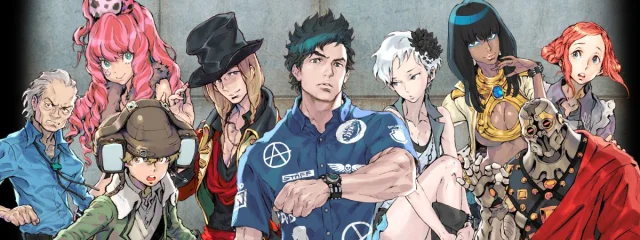
Visual novels thrive on strong, memorable characters and engaging storylines. Introducing your characters with iconic scenes that highlight their personalities is key to making a lasting impression on your audience. While storytelling is an entire artform, and generally requires many years to master, here are some basic rules to keep in mind.
Work on your characters first. For better or for worse, VN players absolutely demand great characters, while they’re slightly more flexible with how good your VN’s plot is. Thus, you’ll want to flesh out each of your major characters in your game first before getting started, and this includes every character that you can romance. Consider making a character interview worksheet for each character in which you have them answer a long list of personal questions. This will help solidify them in your mind.

Once you have your characters down, consider starting your story development by thinking of a compelling hook to kick off the game. This usually consists of placing your protagonist in an unfamiliar situation that piques the reader’s interest. This approach not only draws readers in but also sets the stage for character development and plot progression.
Finally, mapping out your story before diving into detailed writing will be essential, especially for VNs with branching narratives. This planning phase ensures that all storylines are coherent and that character development remains consistent across different paths. If you think this sounds like a lot of work, that’s because it is! There’s no better time than here for me to state that you may need to reach out to a narrative designer or game writer to carry out this difficult task!
Note: for kinetic novels, where the narrative doesn’t branch, you’ll still need to focus on creating a strong, linear story that captivates readers from beginning to end, though at least you won’t be dealing with branching narratives. Just keep in mind that kinetic novels are not nearly as popular as standard VNs.
Interactive Gameplay Elements
While visual novels are primarily narrative-driven, incorporating interactive gameplay elements can enhance the player’s immersion and engagement. Remember that the type of gameplay should complement the story and characters, offering players a deeper connection to the world you’ve created. From simple mini-games to complex decision-making that affects the narrative’s direction, these elements should always serve the story first and foremost. If your story doesn’t need any mini-games, don’t put them in!
If you do decide to include mini-games, however, consider the unique aspects of your VN’s setting and characters when designing gameplay. For example, in a story about a celebrity, mini-games like signing autographs or managing social media interactions can offer players a taste of the protagonist’s life, deepening the narrative experience.

Additional Considerations for Visual Novels
While an exhaustive guide to writing a good visual novel would be about as long as a guide to writing a good book, here are a few more things you’ll want to keep in mind before diving into your exciting project:
World-Building: Even in a genre grounded in real-world settings, crafting a vivid, immersive world is crucial. Every detail, from the historical context to societal norms, should support and enhance the narrative.
Diversity and Representation: Given the broad audience of visual novels, incorporating diverse characters and perspectives can make your story more relatable and enrich the narrative experience.
Pacing and Tension: Balancing the pacing is vital in keeping readers engaged. Introduce twists and challenges that keep the tension high, but allow for moments of relief and character development.
Feedback Loops: Implement mechanisms for player feedback within your story. This could be as simple as choices that reflect previous decisions or more complex systems that track the player’s relationship with characters.
Localization and Cultural Sensitivity: If you’re planning to reach an international audience, consider the cultural nuances and the potential need for localization early in the development process. This awareness can prevent misunderstandings and ensure your VN resonates with players from different backgrounds.

In short, creating a visual novel is a rewarding challenge that combines the art of storytelling with interactive gameplay. By carefully selecting your genre, developing memorable characters, mapping out your stories, and thoughtfully integrating gameplay elements, you can craft visual novels that stand the test of time and leave a lasting impact on our players.
If you’re currently seeking a narrative designer or game writer who can bring your vision to life, let’s connect! Reach out to me here or on LinkedIn—I’m eager to dive into your project and explore how we can collaborate to create a game that not only captivates but also leaves a lasting impact on your players. Also, share your thoughts and questions in the comments below. Are there specific challenges you’ve faced in narrative design? Or perhaps you have a success story where narrative design profoundly impacted your game?
Thank you for joining me in this discussion, and I look forward to sharing more insights into the narrative design process. Keep an eye out for the next installment in this series where we’ll cover Open World games!
Your next game-changing story starts here.
 Kevin Zimmerman
Leave a comment