
By Kevin Zimmerman, Video Game Writer and Narrative Designer
Jumping into narrative-rich open worlds is like opening a massive, sprawling book where the story’s epic and the landscape just won’t quit. Think Horizon Zero Dawn, The Witcher 3, The Ghost of Tsushima. These aren’t your run-of-the-mill, wander-and-wonder types of open worlds like Breath of the Wild or Minecraft. No, they’ve got a helluva story to tell, and they’re not shy about it. But here’s the catch: marrying vast exploration with a tight storyline? It’s a bit like trying to keep a band of cats on a leash—tricky, but oh-so-rewarding when done right. So, let’s see how the master narrative designers do it.
Characters: The Soul of the World
Before discussing anything else, let’s talk about characters. At the heart of any narrative-rich open world, you’ve got a character who’s more than just a set of skills or a flashy avatar—you’ve got an iconic, multilayered being. Think Geralt of Rivea. Arthur Morgan. “V”. We’re talking about those troubled samurais, drunken detectives, or heartbroken knights, the classic “defender of the realm” archetype but with a backstory that won’t quit. Why do these games go this direction? It’s because the one thing you can always count on in an open world is the protagonist being there. So, making sure your protagonist is super well-crafted means they become the pulse of the game’s universe. No matter where they go, they’ll be embarking on epic quests that see them grow from amateurs to legends. There will always be some level of emotional investment, so that’s where I’d suggest every narrative team start.

Going from there, imagine a world teeming with NPCs just as rich—friends, foes, and those who haven’t quite made up their minds. Each NPC needs to have their own saga, too, adding layers of complexity and realism to the tapestry of the game. This rich mix of personalities does more than just fill the space; it turns the game into a living, breathing entity. Now, while it may not be clear on its surface, these three-dimensional characters do a lot more than just tell a good story. They’re doing a lot of heavy lifting for your game. It’s a philosophy I’ll be coming back to over and over again: When players become immersed in your story, they become less judgmental towards other factors of the game that might be lacking. This isn’t to say that you want to plan for your game to have shortcomings, but the reality is, I’ve never seen any game—even The Witcher 3—that does not have some degree of artificiality to its design, just to make the game playable. So we have to keep that in mind.
Of course, characters—both protagonist and NPC—aren’t just distractions from gameplay; they need to impact the game’s story, too. Player agency in these worlds needs to be huge. Every decision you make needs to spin the story in a new direction, paving the way for outcomes that feel genuinely crafted by your actions. I get it: weaving these branching paths into a narrative that still feels tight and engaging is not easy. Yet, when done right, it turns the journey from a linear trot through the park to an all-out adventure. And it’s not just about altering the endgame either; it’s about making the entire world and its story react to you, turning gameplay into a personal epic that’s as unique as your decisions. So, let’s talk about that in detail.
Designing Memorable Missions with Flexible Narratives
Crafting missions for a narrative-rich open world is a bit like trying to nail jelly to a wall—it’s a delicate operation. The goal? Keep every quest riveting, no matter if players hit them up in the dev team’s intended sequence or jump around from biome to biome. This is where designing for flexibility becomes key. It’s hard, but it’s totally worth it. Picture this scenario: a player leapfrogs to a mission that was supposed to be a late-game challenge, but surprise! You, the developers, have designed the game to adapt to this kind of off-the-wall approach. You get major kudos from the player for this. Perhaps the difficulty is harder than it would have been, but you’ve made sure it’s at least possible for someone wanting to play this way. You’ve added story tweaks to fit the narrative, letting the player know they’ve chosen to do something crazy, but you already thought about that. Players absolutely love this and will find the game “based” as a result.
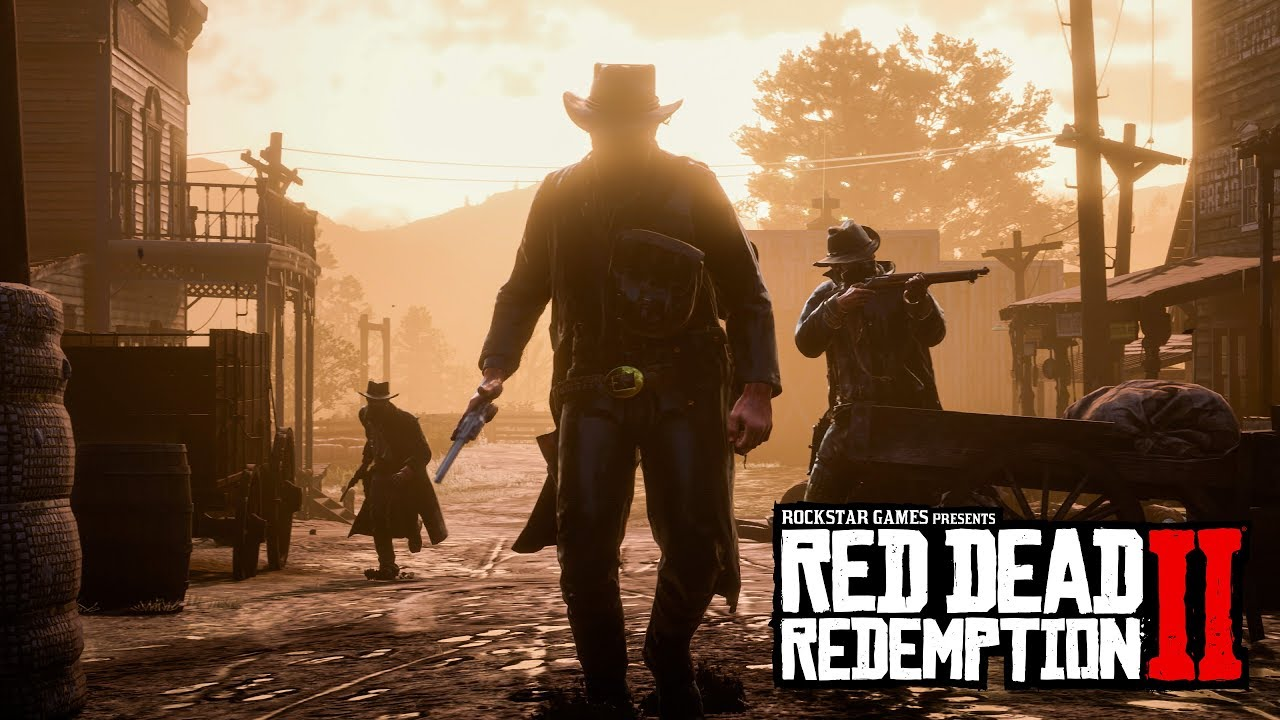
And for players who keep to a more traditional trajectory? Well, pacing in these open worlds is everything. You need to sprinkle narrative gems along the way, side quests, and plot points that follow undulating arcs, making sure each mission feels like a chapter in a bigger adventure. This is where narrative designers come in, becoming master non-linear storytellers, ensuring the plot thickens at the right moments, and allowing players to soak in the vastness of the world without feeling like they’re sprinting through a marathon. Consider thinking of the shape of your missions as “clusters” instead of “lines.” You can give your player four or five missions to choose from at first, but then you force them to finish all of those before moving onto the next cluster. In this way, you’re giving them the freedom they expect, but not to the extent that they ruin the entire narrative.
In the grand scheme of things, building missions in a narrative-rich open world isn’t just about setting targets and doling out rewards. It’s about crafting experiences that are as enriching as they are entertaining. It’s about creating a world that reacts, evolves, and tells its story alongside the players, making them feel like they’re truly part of something epic. So now let’s talk about the “world” part of these narrative rich open worlds.
Navigating the Landscape of Story and Exploration
Finding the sweet spot between main quests and letting players run wild is key. It’s about giving players the freedom to explore, with a few enticing story hooks to bring them back on track. Now, here’s the elephant in the room: In narrative-rich open worlds, the architecture of the game’s sandbox often must incorporate natural barriers or require specific items for progression, sometimes at the cost of the seamless exploration players crave. Ever hit a suspiciously placed, non-climbable boulder right where you want to go? It’s like the game’s whispering, “You can explore, but not really.” Sometimes these designs are necessary to have any kind of coherent, balanced experience, but they suck. So how can narrative design rectify this?

First, remember that your game’s holistic experience is more important than any single component. Gameplay + Story = Enjoyment. (This is super simplified, but you get my point.) When the story’s spicy and compelling, when the music is on point, and when your characters are badasses, players are willing to let some design shortcomings slide. Think about Uncharted, for example, the exact opposite of an open world. Why do people not care that it’s super linear? It’s because they made the narrative so good, players can’t help but follow along and feel like they’re going on these adventures themselves. By devoting time to your story, you’re indirectly bolstering your game design by making your players more forgiving.
You can also compensate when you have to throw in artificial barriers into your world design. Aside from the mandatory narrative justification for why a barrier, such as a landslide, is there, think about offsetting this artificial barrier by throwing in a dynamic world event that shakes things up later on. Perhaps, when you save the village hiding behind this landslide, you shift the power dynamics of the region, and the new political power decides to bolster their cliffsides to prevent landslides in the future. Make it so real and seamless that players couldn’t imagine a world where this landslide DIDN’T exist. Moments like these make the world feel alive and reactive.
Extrapolating from this, the entire world itself has to make sense, too. From the ancient myths that every NPC seems to know bits of, to the reason why that mountain can’t be climbed until you’ve defeated the guardian spirit, consistency is king. It’s what makes the difference between feeling like you’re in a living, breathing world and thinking you’ve just stepped into a hastily put-together theme park. Every piece of lore, every cultural nuance, and every geographic detail adds up to a world that players can believe in. Again, by getting the player fully immersed, you’re delivering that enjoyable experience to them, and thus, they become more forgiving when the linearity of the game pokes its ugly head.
Finally, don’t forget about the gameplay mechanics. Obviously, they’re the bread and butter of how we interact with these worlds. But here’s the twist: gameplay mechanics must also be part of the story, too. When it comes to your skills in combat, your knack for exploration, and even those brain-teasing puzzles you either love or hate, narrative design requires that everything be related to your character’s saga. It’s about making every fight, every journey, and every challenge feel like it’s contributing to the growth of your character and the unfolding of the world’s mysteries. So don’t gloss over any of this. Consider making skills, weapons, and items come from characters directly in the game, not just from skill trees or treasure chests. Give everything three dimensions. When players can remember the fallen king that gave them his sword before he died, you’re immersing the player even further into the world, and again, this immersion increases the player’s enjoyment level.
The High Stakes of Narrative-Rich Open Worlds
Let’s face it, creating a narrative-rich open world is a Herculean task that demands not just a boatload of resources and a bottomless pit of dedication but also a knack for navigating the kind of complex challenges that would make lesser mortals run for the hills. It’s all about striking that perfect harmony between spinning a tale that’ll keep players glued to their screens and letting them loose in a world so vast that they’ll need a compass to keep from getting lost.
Don’t get me wrong. The road to crafting these mammoth worlds is paved with more pitfalls than a booby-trapped Water Temple. Weaving together these narrative-rich open worlds is no walk in the park. It’s a high-wire act that balances creativity with technical savvy, all to bring gamers adventures they’ll be talking about long after they’ve put down the controller. In my opinion, however, these narrative-rich open worlds are the crème de la crème of both game design and storytelling and have rightly been seen as the highest form of art in video gaming. When you get all the parts right, the result isn’t just a game—it’s a world that lives and breathes, inviting players to dive in and become part of the legend.
If you’re currently seeking a narrative designer or game writer who can bring your vision to life, let’s connect! Reach out to me here or on LinkedIn—I’m eager to dive into your project and explore how we can collaborate to create a game that not only captivates but also leaves a lasting impact on your players. Also, share your thoughts and questions in the comments below. Are there specific challenges you’ve faced in narrative design? Or perhaps you have a success story where narrative design profoundly impacted your game?
Thank you for joining me in this discussion, and I look forward to sharing more insights into the narrative design process. Keep an eye out for the next installment in this series, where we’ll cover… Tactical RPGs!
Your next game-changing story starts here.
 Kevin Zimmerman
Leave a comment