
By Kevin Zimmerman, Video Game Writer and Narrative Designer
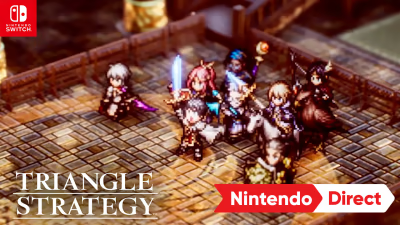
When it comes to Tactical RPGs, having a unique blend of strategy and story makes for a gameplay experience that’s as intellectually stimulating as it is emotionally engaging. Yet, when you look at most games in this genre, you’ll find narratives that seem almost cut from the same cloth—medieval battles, political power struggles, and fantasy realms embroiled in war. Not that there’s anything wrong with this, but from Tactics Ogre to Final Fantasy Tactics and the intriguing new Unicorn Overlord, there’s a clear gravitation towards tales of conquest and strategy that mirror the game’s chess-like mechanics. But why this specific storytelling path? Let’s explore.
The Harmony of Gameplay and Narrative
I think the key lies in what I call gameplay/narrative harmonization—a concept that examines how well a game’s story complements its gameplay mechanics. Tactical RPGs, with their strategic, turn-based battles, create a cerebral vibe, pushing players into a deeply analytical state–think about what your head feels like when playing chess. When you pair this state of mind with a narrative that demands a drastic shift in cognitive processing—for example, shifting from strategic war planning to navigating deeply emotional personal dramas—it can create a jarring experience for players.
This isn’t to say emotions have no place in tactical RPGs. Instead, stories in this genre do best when they center around characters that embody a strategic mindset not just on the battlefield but in the narrative itself. This is why I believe the archetype of a mastermind military strategist works so well in these games’ stories; it keeps players aligned with their protagonist’s mindset, maintaining immersion even as they switch between gameplay and story.
To do this right involves meticulous pacing, ensuring that the unfolding story complements the length and intensity of gameplay sessions, too. The narrative should evolve with the gameplay, providing a seamless experience where strategic battles and narrative developments are intertwined. For instance, if a siege is a pivotal moment in the story, then it should be mirrored in the gameplay, challenging players to utilize all the skills they’ve gathered to overcome the obstacles presented in a new and memorable way.
Venturing Beyond the Battlefield
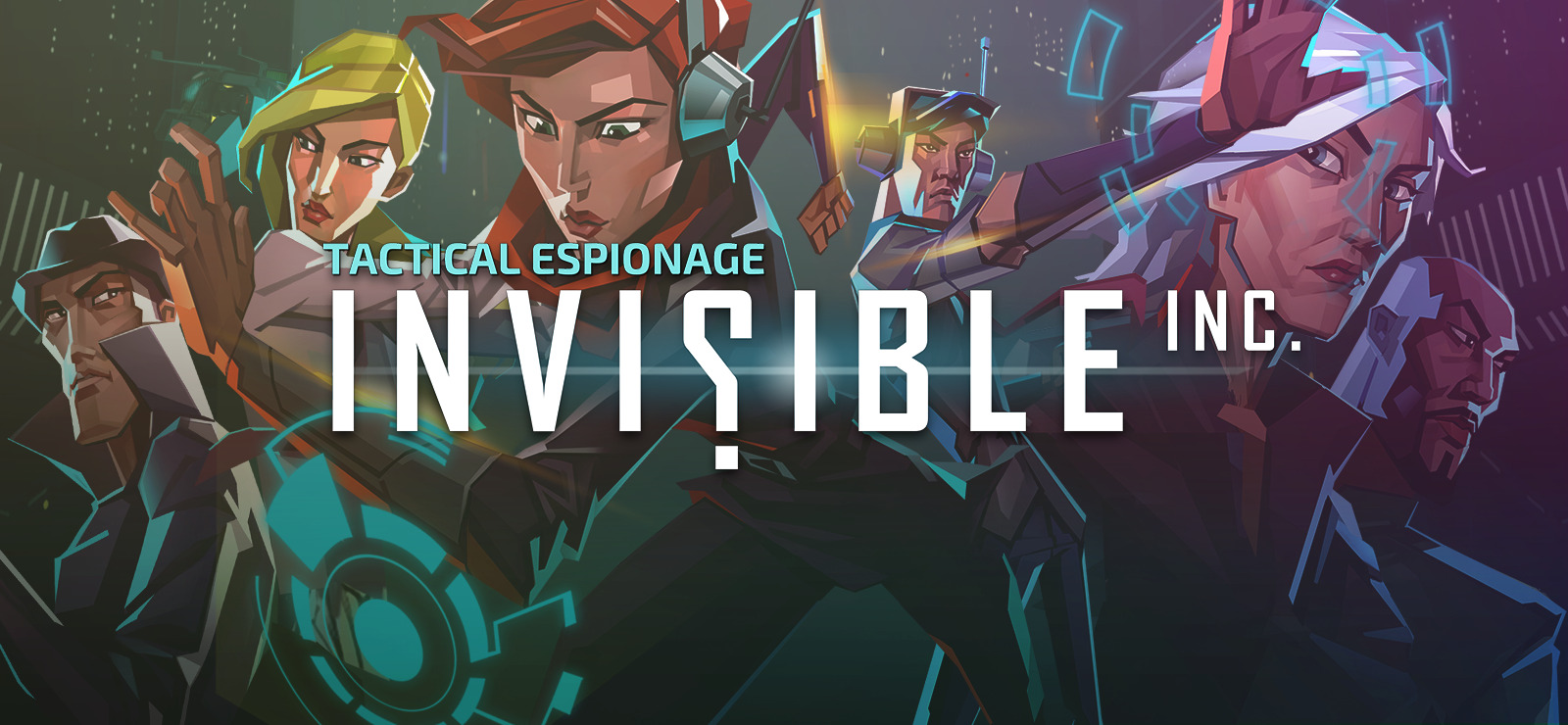
But does this mean Tactical RPGs are doomed to forever march through the war-torn lands of medieval fantasy? Not necessarily. I believe political intrigue and mystery present two untapped genres for stories that would pair well with tactical RPGs. Both could offer narrative landscapes ripe with the same cerebral engagement without defaulting to constant combat. These genres would keep the player’s strategic brain ticking, offering a seamless transition between gameplay and story, and allowing for a narrative depth that extends beyond the battlefield. If you do decide to do a tactical RPG based on political intrigue or mystery, let me know!
Incorporating player impact and agency into the mix is another vital way to make sure the story element of a tactical RPG works well, a strategy that works as well in medieval fantasy as any other genre. The narrative structure can be designed to branch out based on the player’s decisions, which in turn affect the world’s political landscape, alliances, and future challenges. Branching your narrative like this with strategic consequences ensures that the player’s choices carry weight beyond the immediate story, influencing the broader world and its dynamics.
Emotions in a World of Logic
What about emotions? If you’re writing or working on a medieval-inspired tactical RPG, you’re probably crafting your protagonists to remain stoic, embodying a calm amidst the storm. That’s great if you are, but just remember it’s not a limitation but a narrative choice, so make sure it serves the gameplay by keeping the player rooted in the game’s strategic core. Additionally, your minor characters can and should make up for your protagonist’s lack of emotion with a wide range of feelings, giving the world some emotion where your protagonist may not be able to, and in the process, offering players a panoramic view of the story’s stakes. Think of it as watching a play unfold; the protagonist is the steady hand guiding the plot, while the supporting cast provides the dynamic emotional landscape.
When you do decide to develop your main character, consider integrating their growth so that it reflects the tactical skills they’re acquiring in the gameplay, with their skills and advancements impacting both their narrative and strategic roles. The protagonist’s motivations should align with the gameplay’s strategic demands. Doing this will ensure their decisions and growth resonate with the gameplay experience. Within this framework, the narrative can still evoke strong emotional responses without compromising the strategic mindset.
Making Battles Matter
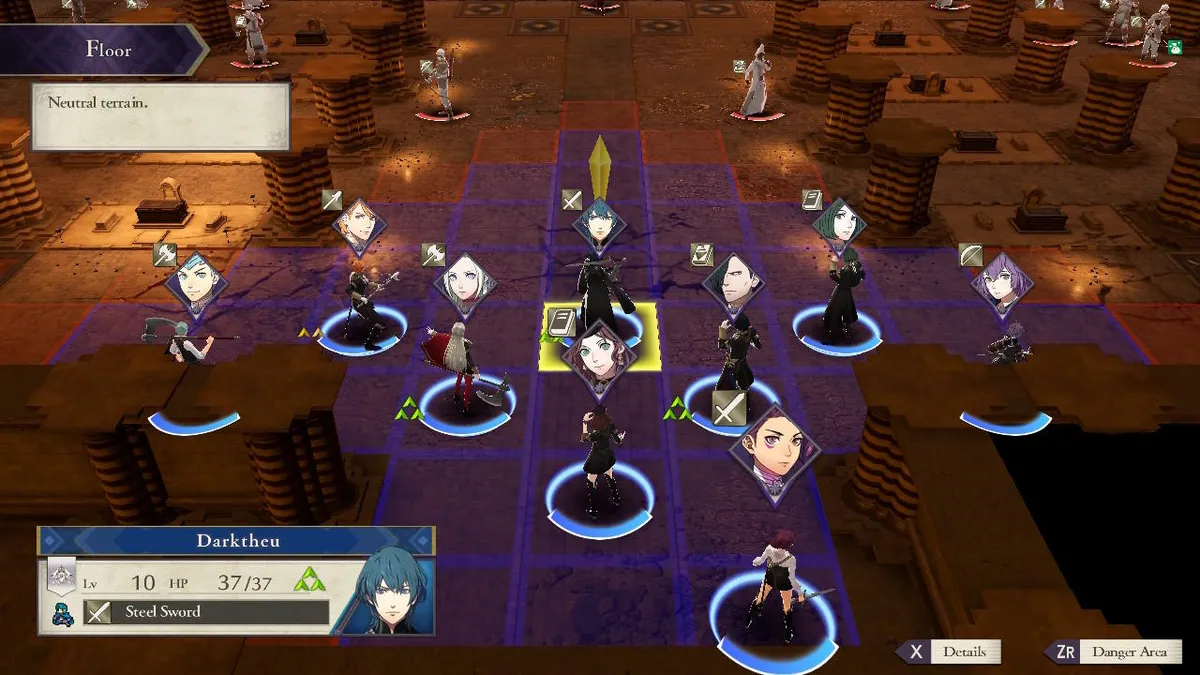
How you decide to integrate your battle mechanic into the world’s narrative is a crucial consideration, too, and one you will definitely want to decide at the outset. In many Tactical RPGs, conflicts are not just skirmishes—they’re pivotal moments that drive the story forward. This approach solidifies the game’s world, making each encounter more than just a challenge; it’s a chapter in the ongoing saga.
Conversely, games that lean towards portraying battles as isolated simulations or purely gameplay mechanics risk diluting their narrative’s impact. Think about how Pokemon or Yu-Gi-Oh handle their battles. While battles in these games are important, they’re separate from the game’s overall narrative. Pikachu defeating Eevee in a battle does not lead to Eevee’s narrative devastation, for example. In a way, the battles are simulations rather than taking place in the “real” world of the game. Choosing to go this simulated battle approach does allow for your battles to be less integrated into the narrative, but this leads to less narrative impact. It’s a decision you’ll need to make early on due to its immense narrative ramifications.
Crafting a Cohesive World
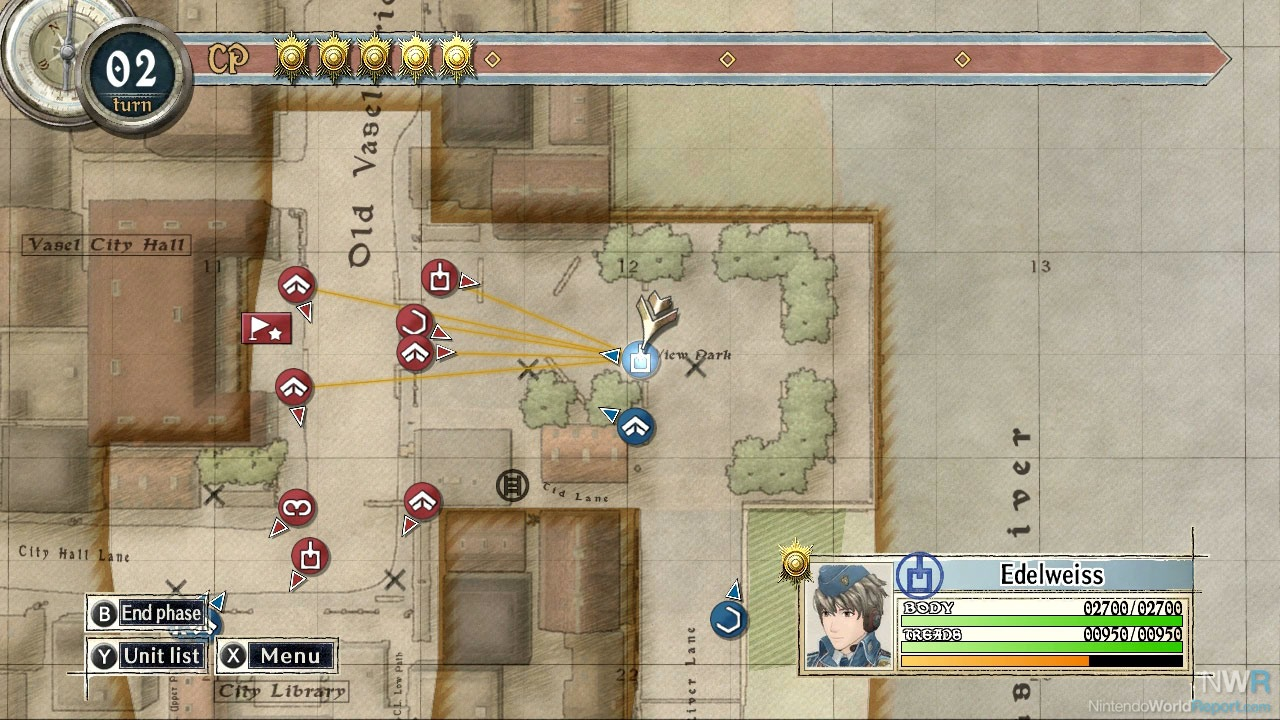
In conclusion, the creation of a Tactical RPG demands a delicate balance between strategic gameplay and compelling storytelling. By embracing genres that naturally complement the analytical nature of these games, developers can craft worlds that captivate without causing cognitive dissonance. The tumult of war, when framed through the lens of strategic gameplay/narrative harmonization, gives players a memorable experience that remains consistent, engaging, and, above all, immersive. Hopefully, however, some intrepid developer will soon take the chance on a brand-new genre to explore this gameplay, too!
If you’re currently seeking a narrative designer or game writer who can bring your vision to life, let’s connect! Reach out to me here or on LinkedIn—I’m eager to dive into your project and explore how we can collaborate to create a game that not only captivates but also leaves a lasting impact on your players. Also, share your thoughts and questions in the comments below. Are there specific challenges you’ve faced in narrative design? Or perhaps you have a success story where narrative design profoundly impacted your game?
Thank you for joining me in this discussion, and I look forward to sharing more insights into the narrative design process. Keep an eye out for the next installment in this series, where we’ll cover… Dating Sims!
Your next game-changing story starts here.
 Kevin Zimmerman
Leave a comment