Writing blog posts for my clients is one of my favorite services. I love diving into the topics that mean the most to you. Using original research, your existing materials, and my years of writing expertise, I can quickly and affordably craft blog posts that draw your customers and stakeholders back again and again.
Your goal is keeping interested eyes on your webpage. Blog posts are a great way to accomplish this. Over time, interested readers transform into paying customers.
Read below for a varied selection of the types of blog posts I can write for your business.
The Experience Economy is Here Today
By Kevin Zimmerman
“The Experience Economy is Here Today” – My client, a business professional, asked me to write a piece on the marketing concept known as the Experience Economy—the belief that consumers want to be “wowed” when they make their purchases. Specifically, my client wanted a piece that showed how this theoretical market mindset has now fully become a standard, inevitable part of marketing.
In 1999, economists James H. Gilmore and B. Joseph Pine II published ‘The Experience Economy’ in the Harvard Business School Press and foretold a coming economy where “experiences,” not commodities, goods, or services, would be the driving factor for economic value. Now in the year 2020, this experience economy is no longer a vision but a reality that executives must navigate and leverage each and every day. Let’s take a look at how we got here.
As industries age, the ways in which profits are derived from customers inevitably evolve and transform. In their book, Gilmore and Pine highlighted the transformation of the food industry to make this point.
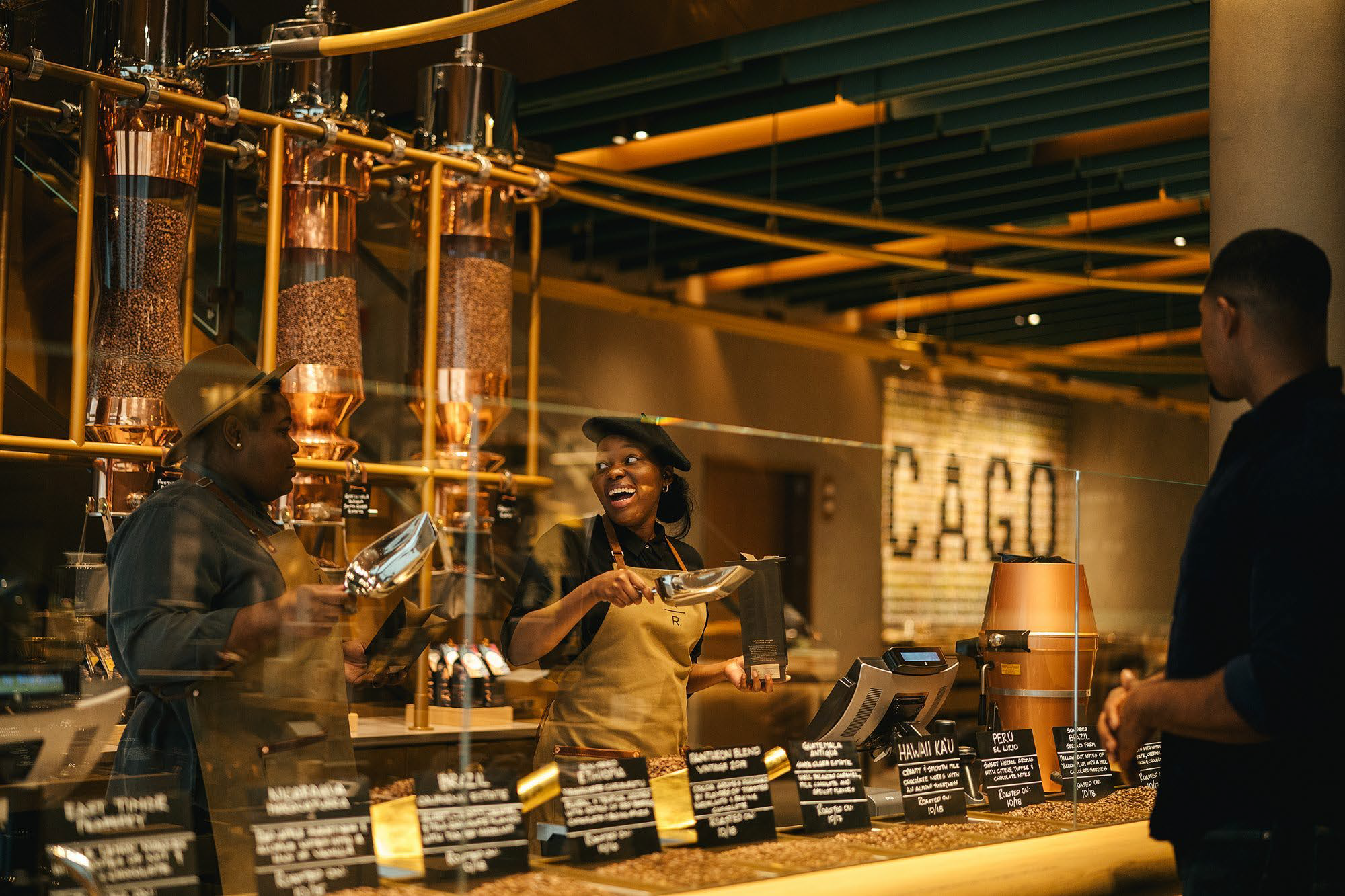
During the golden age of commodities, harvesting crops directly from the ground such as wheat or milk was key to creating economic value for others. This soon changed, however, in the age of goods when brands such as Betty Crocker, Land O’ Lakes, or Carvel began selling these same agricultural products neatly packaged in more commercial offerings. After that, it was local bakers and companies such as McDonalds that transformed the industry into a service-based one, taking these goods through preparation and cooking to provide a new level of economic value. Today, companies such as Starbucks lead the pack by offering personal, memorable experiences with a lavish, trendy ambiance and personalized orders each time a customer comes into their store.
It’s not just the food industry seeing changes brought about by the Experience Economy. Companies across all industries now focus on creating “wow moments” for their customers. According to a recent survey conducted by Forrester Research and commissioned by FocusVision, consumers stated that how a brand makes them feel is 1.5 times more important than any other factor. Likewise, in its Chief Marketing Officer Spend Survey or 2018-2019, Gartner found that customer experience is in the top three considerations which brands are currently investing in. The experience of the customer is a key factor driving profitability.
How can customer services be transformed into customer experiences? One answer according to Pine is by staging services so enticingly that customers would pay admission to get in. Take Apple, for example. They have transformed technical repair services into a trip to futuristic Apple Stores where “geniuses” can work on their phone while customers ogle the next line in cutting edge technology. The services the customer came for take a back seat to the experience of walking through the store.
“Mass customization” is another answer. When consumers receive services tailor made for them, they cannot help but have a memorable experience. Monthly subscription box companies such as Stitch Fix or BirchBox create this kind of wow factor simply by gathering customers’ unique taste spectrum and providing a completely personalized package of clothes and beauty products each month on their doorstep as if by magic.
As more and more services become commoditized by ever more service providers, consumers will continue to seek out memorable experiences when deciding where to spend their resources. Brands are expected to understand their consumers’ personal values and even mood swings. Companies that are tone-deaf to changes in global trends can quickly lose consumers’ trust. Additionally, when launching new services, loyal consumers and fans are now expecting VIP treatment from brands in the form of launch parties or events where they can show off their trendy, new experience via social media.
Where the Experience Economy was little more than science fiction 20 years ago, today we have fully arrived. Consumers demand personalized treatment in all of their services and a steady supply of “wow moments” delivered them routinely by their favorite brands. Adapting services in order to provide these larger-than-life experiences will be key to finding success in the years to come.
Mid-Sized Businesses Seek Cost Savings in the Post-Pandemic Economy
By Kevin Zimmerman
“Mid-Sized Businesses Seek Cost Savings in the Post-Pandemic Economy”- Corporate SEO Blog. My client, a provider of outsourcing resources in the Philippines, asked me to write a compelling, professional blog article centered around the changes in the economy due to Covid-19. The article, features the SEO keyword “BPO Philippines” .

With Covid-19 continuing to plague countries around the world, businesses of all sizes, and particularly mid-sized companies, are realizing that America is entering an economic chapter unlike anything they have ever seen.
Glassdoor Senior Economist Daniel Zhao announced earlier this week the damage being felt by the average American worker is astounding: “In its first month alone, the coronavirus crisis is poised to exceed any comparison to the Great Recession. The new normal for [unemployment] claims will be the canary in the coal mine for how long effects of the crisis will linger for the millions of newly unemployed Americans.”
Likewise, corporations continue to reel as they attempt to stay afloat. As the economy shrinks, leaders are seeing difficult economic realities approaching after the pandemic ultimately leaves.
The Harvard Business Review has some keen advice for such struggling enterprises. Author Alexander Bartik writes: “First, try to form realistic estimates of your cash flow both during and after the pandemic. Compare that cash flow with your fixed expenses and with those expenses that you can cut. Remember that sometimes it makes sense to cut the more flexible expenses early, so that you can still keep paying the more vital expenses later.”
Indeed, one of the areas which business leaders have sought to take advantage of to reduce their expenses is business process outsourcing (BPO) to foreign countries, specifically BPO Philippines.
BPO Philippines has become a time-tested strategy for businesses over the last decade, with BPO Philippines being a significant driver of the Philippines’ entire GDP. Part of this success was due to an early investment and act of confidence by Microsoft founder Bill Gates, who donated millions of dollars worth of Microsoft apps licenses to PCPS, a governmental program, setting the country up for extended profitability.
According to the digital marketing agency Grit.ph, a company using BPO Philippines as a cost savings strategy can expect to see reductions of between 50-80% on their labor and infrastructure costs compared to setting up an onshore office. Furthermore, TaskUs, a Los Angeles based BPO Philippines company offering services to major corporations has saved its clients 43% on operational costs compared to retaining their business functions in house.
With the pandemic forcing many American employees to work from home, entire business processes are moving towards a predominantly or entirely digital paradigm as well. Bill George, writing for Fortune, says, “the pandemic has shown more people they can easily work from home, relying on email, chats, and videoconferencing to quickly communicate with colleagues. Many employees won’t return to the office even after the pandemic is under control—and the need for physical workspaces and paper files will decrease.”
Indeed, with businesses moving away from physical proximity, now more than ever, operations officers are considering taking advantage of this moment to realign their departments for a more digital landscape.
By utilizing BPO Philippines firms such as PITON-Global, a leading mid-sized BPO provider in Manila, Philippines, companies can get ahead of the pack at this unprecedented moment in our new global economy, instead of getting left behind.
High Tech, High Anxiety: How Technology is Slowly Burning You Out
By Kevin Zimmerman
“High Tech, High Anxiety: How Technology is Slowly Burning You Out”- Herbal Remedy Blog. My client, a provider of natural, herb-based remedies, asked me to write an easy-to-read, engaging blog article discussing how technology contributes to anxiety. The article was to highlight the benefits of three of the products which they currently offer.
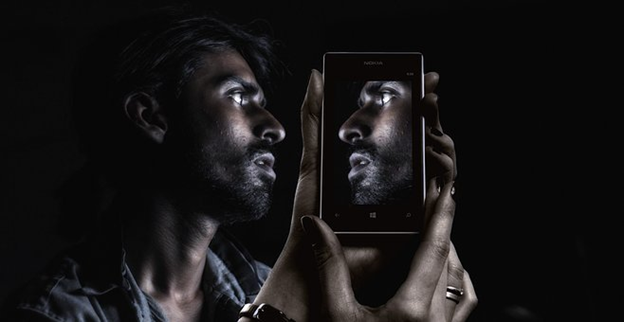
It is no question that we live in the most technological era of human history. Smart phones can as easily deliver you dinner as they can find you a spouse. Social media accounts turn everyday people into overnight sensations. Government infrastructures can track a criminal’s every move.
But while technology has revolutionized the way we live, mounting evidence is proving that this unprecedented level of convenience is coming at a cost—both on our bodies and on our minds. In a recent study published in BMC Public Health, researcher Christopher Wharton and his team at Arizona State University found that heavy users of technology reported the least healthy dietary patterns and health-related characteristics as compared to moderate or light users of technology. The more we use technology, the greater a toll it appears to have on us. But why exactly is this the case?
The Strain on Our Bodies
The underlying goal of all technology is to make our lives easier, right? But could technology be making life too easy?
Using technology on a routine basis means increasing the amount of sedentary activity that you perform each day. Whether it’s watching TV, staring at your phone, or binge-watching Netflix on your laptop, this is time that could be devoted to walking, dancing, or performing any other form of exercise. Studies overwhelmingly show that sedentary lifestyles increase the level of obesity, cardiovascular disease, and type 2 diabetes. Your favorite murder mystery series might actually be murdering you.
However, technology goes beyond simply taking you away from healthier activities, it actively harms your body as well. A five-year long study published in 2016 in Applied Ergonomics found an association between text messaging and upper neck pains in young adults. Additionally, increased usage of technology may lead to eyestrain and other dangerous health factors caused by the blue light and EMF radiation emitted by technological devices. Who can imagine what the long-term effects of technology will produce in 20-30 years?
The Strain on our Psyches
Of course, the price of technology does not only come in the form of harm inflicted on our bodies, but the harm inflicted on our souls.
It is now well documented that the rise in social media in 2012 ushered in an era of unseen depression. A 2017 study published in the American Journal of Preventative Medicine, showed that heavy users of social media, aged 19-32, were three times more likely to feel a feeling of isolation compared to low users of social media. Even more troubling, a 2019 study in Psychiatric Quarterly found that heavy users of social media were 48% to 171% more likely to be unhappy, to be low in well-being, or to have suicide risk factors such as depression, suicide ideation, or past suicide attempts than light users.
How have we come to accept these terrifying realities?
Social media has grown out of control, into a beast that we cannot tame. While technologies such as Facebook, Twitter, Snapchat, Instagram, etc. have become unbelievably popular among adolescents, the dangers of such technologies have become even clearer. Are we creating a world that will not only be difficult to succeed in for today’s youth, but will also actively harm them?
Bravery in Making a Change
Thankfully, there are glimmers of hope for how people can save themselves from these dangerous outcomes, and it starts with deciding to make changes at the center of your being. Below are three broad strategies you can take to break an internet addiction.
Changing Your Habits
No one should be embarrassed when they realize their addiction to technology is real; these things are designed to be addictive! The key is to find a way out.
Starting out with small changes to your technological life may be the most effective, according to Dr. David Greenfield at The Center for Internet and Technology Addiction. Changes like leaving your smart phone out of your bedroom, turning off your notifications, planning breaks, and even using apps to limit your amount of screen time can all lead to reduced technological usage over time.
Incorporating Mindfulness Activities into Your Lifestyle
One of the deadliest aspects about modern technology is its ability to hypnotize us, preventing us from thinking rationally or with awareness. Therefore, by making a conscious decision to include mindful activities into our lifestyle, we can become better equipped to confront technology’s mesmerizing powers when they begin to overwhelm us.
“I’m beginning to sense I’m still scrolling down my timeline even though I don’t desire to.” All that is needed to break the cycle of technological destruction are simple revelations like this that allow us to calmly detach from its entrapment.
Activities such as yoga, meditation, tai chi, nature walks, positive affirmations, and even coloring are all great ways to detox from the stimuli of technology and regain our center. By increasing our mindfulness, we can begin to heal the damage that has been done to us and reclaim our autonomy in an overwhelming world.
Finding Natural Remedies that Work for You
Finally, when our modern world seems too heavy to change, the old world comes to the rescue. Our beautiful planet contains some of the most effective plant remedies for our troubled society, exactly what we need to produce a break from technology. Nootropics and Adaptogens—natural plant medicines which improve your mood and lower your anxiety—come in many different forms with a wide variety of benefits.
Hibiscus, and many others all contain the power to produce hours of relaxation and a breath of calm. Countless people have found that daily use of these natural medicines changed their life for the better. Thankfully, Earth N Seed has many options of healing remedies, with one certain to be right for you. Check out our selection and get onto the path of healing today.
Left unchecked, technology has the power to burn us out and reshape the world into something we would never want to leave to our children. Thankfully, we can start by changing ourselves and becoming the shift we want to see in the future. Let’s make that change today.
The Bill Gates “Robot Tax” is as quaint as it is wrong
By Kevin Zimmerman
This essay came to me on a whim, utilizing my background in tax to discuss a current event. It was well received on the Medium.com-based blog “Hackernoon” with nearly 10K views.

I don’t often claim to know better than modern-day genius Bill Gates, but as a student of both accounting and economics with a masters in taxation, when I heard that Gates had proposed taxing robots in order to protect workers who might be displaced by automation, I immediately knew that would be a bad idea. The idea is cute, really. Robots take our jobs, so why don’t they take our taxes? The answer, like a lot in the world tax, lies in the weeds.
First, let’s set aside the historical understanding in economics that robots — and technology in general — don’t steal humans’ jobs. To the average reader this may seem like heresy, but the majority of economists hold that technology does not destroy jobs, it merely shifts laborers into better jobs. (Sewing machines may have drastically shrunk the number of seamsters and seamstresses, but those individuals are now free to become nurses and chefs.) To think that technology permanently destroys employment opportunity, as Bill Gates suggests here, actually has a name: The Luddite Fallacy, named for a group of textile workers in the 19th century who opposed weaving machinery. Now the term Luddite is colloquially used as anyone who opposes technological progress. Ironic, that Bill Gates has suddenly become its poster child.
So why should we disagree with the majority of economists? Well, currently more of them are wondering what advanced artificial intelligence will mean to our workforce. If a robot could one day replace the most sophisticated of human professions, such as a doctor or a lawyer, then what will those individuals do then? What “better job” is available? We may be approaching that day faster than we think. Besides, all economists admit that in the short term, technology can disrupt personal employment as a laid off worker must spend some time searching for their next job and likely retraining. This could take months or even years. For these points, let’s assume that robots can displace human workers in the long term.
With that settled, the first and possibly most pertinent argument against a robot tax is simply implementation (even if it’s the least sexy out of the reasons I’ll describe). Lawmakers don’t get to operate in the world of economic theory, they must operate in codified law. So how would “robots” be defined for a “robot tax”? Is a robot any anthropomorphic contraption with two metal arms and two metal legs, or does it merely have to be a machine? Does a robot have to take over all aspects of a laborer’s job, or merely part of it to be taxed? These questions may sound boring but any answer proves to be problematic.
If lawmakers decided that only fully formed C-3PO-esque robots were subject to the tax, what happens when a business only wanted to employ its arms? Or its head? Humans don’t have the luxury of altering their humanity to get out of the personal income tax, but robots — and their corporate owners — easily could, and would, find loopholes. On the other hand, if all machines capable of performing human-like activities were subject to the tax, what would that mean to a laundromat owner, or a general contractor, or even that seamstress mentioned above? It would seem crazy to have these businesses paying an additional layer of tax simply because they don’t wash clothes by hand, screw with their finger nails, or hand stitch every garment, but these tools often have computers embedded inside them and could easily be defined as robots. Exceptions could be put into place to protect small businesses, sure, but the amount of regulations needed to run such a tax already seems disproportionately large in comparison to the tax its collecting.
And this isn’t even to say anything about the rights of robots, which although sounds like something out of science fiction, is rapidly becoming an issue we will surely be dealing with. Wouldn’t a robot tax constitute a taxation without representation? Would we need robot lawmakers in our house of representatives before we could implement a tax on their kind? It’s a real question we’ll have to encounter.
But moving out of the bureaucracy, the tax is more detrimental at a macroeconomic level. Like Donald Trump’s proposed Mexican Wall tax, Bill Gates’ robot tax doesn’t take into account its real payers. Sure, businesses would be responsible for collecting the robot tax, but the unfortunate reality is that consumers would feel the end-run burden. Why is this? Well, business owners are seldom content with seeing their profits decline over a tax, so naturally, they raise the prices of their products to make up the difference. This increase would result in higher prices and fewer products produced (versus a world with the robots but without the tax), effectively negating part of the efficiency gained in the first place.
But even further, any time a tax is placed on a consumer product we know that regressive effects are going to come into play as well. Essentially, any tax on a consumer good (think sales taxes) constitutes a larger portion of the customer’s annual income and thus hurts lower income individuals more than it hurts higher income individuals. Although a 15% robot tax on clothing may not mean much to the highest 1% of the population, it would definitely be felt by the lowest tiers. In this sense the robot tax would clearly be defined as a regressive one.
Not to be outdone, the robot tax could hurt inventors as well. If, in addition to a tax on the usage of robots, corporations also had to pay a property tax on them, corporations would be forced to purchase these inventions for a smaller price from their original creators. These reduced prices would lead to inventors being proportionately disincentivized to produce their robots in the first place. This concept is a little more esoteric, but to see how this is the case, consider an inventor with an idea for fully automated hamburger maker which could only be funded if she found a company like McDonald’s to purchase it for $1,000,000. If McDonald’s knew that a 15% property tax was going to be attached on the purchase by the government, they may only be willing to pay $850,000 on the invention, thus leading the inventor to cancel the development altogether in favor of a more profitable one. Clearly, this is a simplified example, but the effects would nonetheless be embedded into the market pushing innovation downward.
As an aside, Bill Gates also proposes that any robot taxes collected should be earmarked for social welfare programs. This is a separate topic, but it seems quite outlandish to think that the government would segment these tax revenues for specific programs rather than lumping them into the overall budget. Not to mention any robot tax (set at a reasonable rate) would do little to patch up the funding of our nation’s welfare programs to get us out of our national debt.
So with all that said, what is the answer? I actually agree with the sentiment Bill Gates has in protecting our workers from unemployment due to robotic automation, but I know the answer is far simpler than a robot tax. We should allow innovations and business to flourish, inventors should be able to create their inventions without any constraint of a robot tax, and we should allow corporations to maximize their profits with the same constraint. The only missing piece here is the one that we as a country seem so unwilling to produce: a baseline level of standard of living guaranteed by the government. Guaranteed healthcare. Guaranteed housing. Guaranteed education. And guaranteed food. These programs should not need to be paid by a nascent group of taxpayers such as robots, they should be paid by the top deciles of our society who have been allowed to snatch up the majority of wealth creation for the last forty to fifty years. Yes, I’m getting political, but it’s because the answer is so simple. Taxing the vast amount of wealth sitting at the top of our society would require no new taxes, no new regulations — simply a better, fairer, implementation of the ones we already have. In fact, the proposal of a robot tax only distracts citizens away from this real solution that we have been avoiding for so long.
So for all these reasons, I wholeheartedly disagree with Bill Gates’s robot tax and hope he can support a plan that would actually solve our problems.
Have a question or want to get a quote on your project? Fill out the form below!
I will return your message within 24 hours.


 Kevin Zimmerman